Understanding the role of chance in gambling games
The Foundations of Chance in Gambling
Chance plays a critical role in gambling, influencing the outcomes of various games and determining who walks away a winner. At its core, gambling depends on random events, which create the uncertainty that makes games exciting. Whether it’s a roll of the dice or the spin of a slot machine, players often find themselves at the mercy of fate. The unpredictable nature of these outcomes is what draws many individuals to gamble in the first place, as every round offers a chance to win big.
Understanding the concept of chance can also help demystify some misconceptions surrounding gambling. Many players might believe that skill or strategy can significantly sway the odds in their favor. While certain games may incorporate a degree of skill, fundamental reliance on chance means that outcomes remain unpredictable regardless of a player’s expertise. To explore the role of chance further, it can be enlightening to examine how different games incorporate randomness, which can be viewed through the lens of probability.
The Importance of Randomness in Game Design
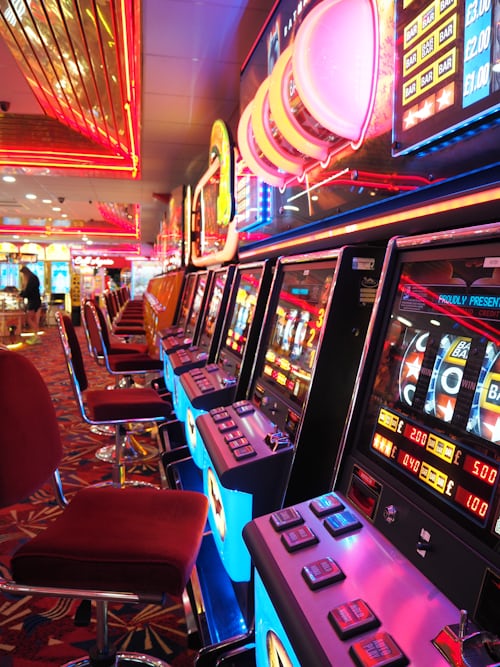
Game designers meticulously structure gambling games to ensure that randomness is a key factor. From card games like poker to electronic games such as blackjack, chance introduces an element that keeps players returning. The design of these games prioritizes fairness and unpredictability, incorporating algorithms and shuffling techniques that enhance the randomness of outcomes. Casino slot machines, for example, use Random Number Generators (RNGs) to ensure that every spin is an independent event.
This emphasis on randomness not only safeguards the integrity of the game but also enhances player satisfaction. The thrill of not knowing the outcome boosts engagement, as each play can potentially lead to an unexpected windfall. By balancing skill and chance, these games can attract a diverse player base, making them appealing to both casual players and seasoned gamblers.
The Psychological Impact of Chance in Gambling
The concept of chance serves as a powerful psychological driver in gambling. It preys on emotional and cognitive biases, creating a compelling experience that keeps players captivated. For instance, the “near miss” effect—where players almost win but fall short—can enhance the gambling experience and encourage continued play. The anticipation and excitement tied to chance can evoke a strong emotional response, making the gaming experience feel more rewarding despite the inherent risks.

The Regulatory Aspect of Gaussian Distribution
The role of chance in gambling is also deeply intertwined with regulations that ensure fairness and transparency. Various jurisdictions enforce strict laws regarding gambling operations to protect consumers and maintain an equitable gaming environment. Understanding the statistical concept of Gaussian distribution can be vital in this context. In regulated settings, gambling games are often built to produce results that align with certain statistical probabilities, which means that over time, outcomes should reflect a predictable distribution of wins and losses.
About Our Website
Our website delves into the intricate world of gambling by explaining the role of chance and how it shapes gaming experiences. We aim to provide educational resources and insights to both novice and experienced players, helping them navigate the complexities of gambling and understand the impact of randomness on their gameplay.
Through our content, we strive to empower individuals with knowledge that can enhance their gambling experience. Whether it’s through articles, guides, or expert commentary, we are committed to exploring the dynamics of chance in gambling games. For more information and resources, please visit our site at https://csicanadasafety.com/.